"From the beginning we really just wanted a way to make Burgundy more accessible to people."
That's how Brett Zimmerman, the master sommelier who owns Boulder Wine Merchant, has described the idea behind the festival he started. Fifteen years later, the Boulder Burgundy Festival he built is charging $375 for Saturday's lunch at Flagstaff House alone. Accessible turns out to be a relative term, and that's not a knock on the festival. It's the whole point of what Boulder's fall food calendar actually looks like this year: a season that runs from a free harvest gathering built on reclaimed backyard fruit to a weekend of imported Grand Cru wine, sometimes within the same six weeks and often within walking distance of each other downtown.
Most write-ups of Boulder's food scene pick a lane. Either the town gets covered as a scrappy, farmers-market kind of place, or it gets covered as a destination with Michelin alumni and national wine press. This fall, both descriptions are true at once, and the distance between them is the more interesting story.
The Harvest End of the Calendar
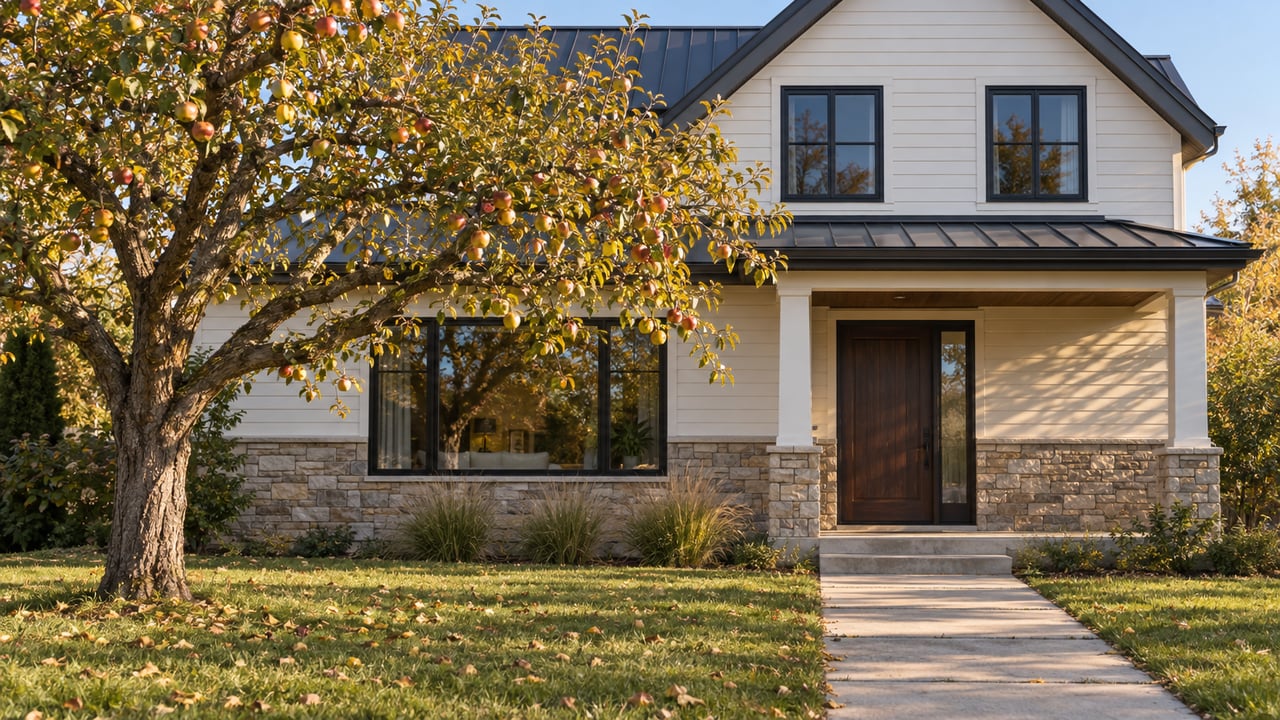
Every fall, Community Fruit Rescue hosts AppleFest at Boulder's Benevolence Orchard & Gardens, a harvest celebration built around fresh cider pressing, live music and apple-themed food. The nonprofit's actual mission runs deeper than the party. Community Fruit Rescue spends the rest of the year harvesting fruit that would otherwise go unused in Boulder yards and redistributing it to food banks, community organizations and animal sanctuaries. The apples pressed into cider at AppleFest aren't shipped in. They came off a tree a few blocks from someone's kitchen window.
That sourcing model is the thing worth sitting with. Nothing about AppleFest depends on importing a product from somewhere more prestigious. The entire event runs on fruit that was already growing here and would have rotted on the ground without a volunteer harvest.
What the Burgundy Festival's 15th Year Actually Represents
Now put that next to what happens on October 24 and 25. The Boulder Burgundy Festival celebrates its 15th year with a weekend built around two venues: Flagstaff House and the Academy at Mapleton Hill. Saturday's Burgundy Above Boulder lunch at Flagstaff House runs from 10:30 a.m. to 2:30 p.m. and costs $375, pouring rare and aged wines from Domaine Marc Morey out of Chassagne-Montrachet and Domaine Nicolas Rossignol out of Volnay. Sunday splits into two ticketed sessions at the Academy at Mapleton Hill: a seminar and six-wine tasting called Burgundy in Contrast at $175, and a grand tasting of more than 60 wines called Burgundy in Full at $125, with a combined Sunday package running $250.
None of that fruit grew anywhere near Colorado. Every bottle poured that weekend traveled from a handful of specific French villages, carried by specific producers who fly in to pour it themselves. The festival's own description of its mission is to make those wines accessible to a wider community, and the proceeds go toward wine education and community causes, but the ticket prices tell you plainly what kind of accessibility that is. This isn't a knock on the festival. Fifteen consecutive years of pulling internationally recognized Burgundy producers to a Colorado front-range town is a genuine achievement, and one that says something real about how far Boulder's food and wine reputation has traveled.
The Restaurant That Matches the Festival's Ambition
The Burgundy Festival isn't the only sign that Boulder's food scene has shifted registers. In February, Casa Juani opened at 901 Pearl Street, a few blocks from where much of the festival's programming has historically played out. The restaurant comes from Eduardo Valle Lobo and Kelly Jeun, both Frasca Food and Wine alumni, Valle Lobo having spent nearly eight years there as executive chef and then culinary director. Casa Juani is named for his mother, Juani, and built around a marisquería concept where seafood arrives raw at a live counter, alongside a dry-aging room and a wine list curated by former Frasca sommelier Jeremy Schwartz.
Before it even opened, Bon Appétit named Casa Juani one of just seven restaurants nationally on its most-anticipated winter openings list, the only Colorado restaurant to make the cut. Months later, it's still drawing coverage from Denver and Boulder food press, still one of the harder reservations downtown to land. That kind of sustained attention, on top of a 15-year-old wine festival that pulls producers across an ocean to pour for a Colorado crowd, tells you Boulder's national food reputation isn't riding on one restaurant's opening buzz. It's structural now, showing up in more than one place at more than one time of year.
The Everyday Layer Underneath Both
None of this is the food most Boulder residents actually eat on a Tuesday, and that's worth naming too. Home Team Deli, a Colorado sandwich chain with locations elsewhere in the state, is planning a new spot in the Arapahoe Alcove, though an opening date hasn't been announced yet. It would be the chain's fourth Colorado location, built around a menu of hot and cold sandwiches, hot dogs and sausages. Meanwhile Boulder-based Chocolove, the chocolate maker whose bars show up on grocery store shelves across town, rolled out its usual fall lineup this season: pumpkin-shaped chocolates, a new apple cider flavor blending milk chocolate with apple purée and cinnamon, plus returning pumpkin spice and dark chocolate peanut butter bars.
Neither of those is a headline. Both are the kind of low-stakes, recurring seasonal food culture that fills the space between AppleFest's harvest cider and the Burgundy Festival's imported Grand Cru, the stuff that doesn't get a write-up in Bon Appétit but that shows up in grocery carts and lunch orders around town every October regardless of what's happening at Flagstaff House.
Reading the Season As a Whole
Line all four of these up and the range becomes the actual story. A free-to-attend harvest event running on fruit reclaimed from local yards. A restaurant with national food press attention built by chefs trained at one of Colorado's most decorated kitchens. A wine festival old enough to have a fifteen-year track record of flying international producers into a town of roughly 105,000 people. A sandwich chain expanding into its fourth Colorado location and a hometown chocolate maker rotating seasonal flavors on grocery shelves.
That's not a contradiction. It's what a small city's food identity looks like when it's actually layered rather than singular. Residents who only track the wine-world half of Boulder's reputation are going to miss the AppleFest side entirely, and residents who only think of Boulder as a farmers-market kind of town are going to be surprised the next time a national food magazine puts a Pearl Street restaurant on a most-anticipated list. Both halves are running at the same time, most years within the same six weeks, and this fall is a particularly clean example of it.
I follow this stuff closely because it's part of what makes Boulder worth paying attention to beyond the housing market, and because the neighborhoods around Pearl Street, Mapleton Hill and the rest of downtown are the same ones where a lot of my clients end up wanting to live once they've spent enough time here to notice what's actually going on. If you're curious how any of this factors into a specific property or neighborhood decision, Rachel Weinberg is always happy to talk it through. Schedule a free consultation whenever you're ready.