Thinking about selling your Boulder home but not sure where to start? You’re not alone. From timing and permits to smart updates and staging, a solid plan helps you sell faster and with less stress. In this guide, you’ll learn exactly how to prepare for the market in Boulder, step by step, with local resources that make a real difference. Let’s dive in.
Know Boulder market timing
Boulder’s market is high value and moves at a measured pace. Recent reporting shows months of supply around four months with days on market varying by price point. It’s wise to watch your specific price band and neighborhood before you set your date to list. You can get a quick pulse from recent summaries like Stacker’s year-in-review for Boulder, then tie it to fresh comps with your agent.
Seasonally, spring tends to draw more buyers in Boulder. March through June often sees stronger demand. If your home appeals to nontraditional buyers, like students or short-term rental investors near CU Boulder, align your launch with their key move windows. Your ideal timing depends on your price point, neighborhood, and target buyer profile.
Get legal and inspection items right
Colorado requires sellers to disclose known material facts that affect the property. Plan time to complete the standard disclosure forms and gather supporting documents. Clear, complete disclosures help prevent issues later in the deal.
A pre-listing inspection helps you decide what to fix, disclose, or price around. Sellers often see fewer surprises and smoother closings when they inspect early. Learn the benefits and what to expect from a seller-side inspection from Spectora’s overview.
If you plan visible exterior updates, check permits first. The City of Boulder requires permits for major exterior, structural, and electrical work, and historic districts require a Landmark Alteration Certificate for exterior changes. Start here for requirements and timelines: City of Boulder permits and inspections.
Selling a rental? Confirm whether your property is subject to Boulder’s SmartRegs energy requirements and rental licensing rules. Addressing SmartRegs questions up front helps you avoid delays once under contract. Learn more at the city’s page on SmartRegs improvements.
Prioritize repairs and energy upgrades
Fix safety and big-ticket issues first
Start with health and safety items and major systems. Address active leaks, electrical hazards, and foundation or structural concerns before you focus on cosmetic projects. Buyers and lenders watch these closely and they can slow or derail a sale if left unresolved.
Next, evaluate your roof and drainage. A home with a newer or well-maintained roof reassures buyers. Clean gutters, correct grading, and repair visible issues so inspection and appraisal go smoothly.
Refresh for broad appeal
Small visual improvements signal care. Repaint in neutral tones, re-caulk and re-grout, fix broken panes or sticky doors, and update worn hardware. National agent surveys highlight decluttering and deep cleaning as top-value prep items that improve buyer perception and shorten days on market. See why staging and prep matter in the latest NAR staging insights.
If you have a modest project budget, prioritize high-ROI refreshes like an updated entry door, a minor kitchen tune-up, lighting swaps, and curb-appeal enhancements. Regional Cost vs. Value analyses consistently show that small exterior and cosmetic upgrades often recoup well relative to large-scale remodels. For an at-a-glance sense of what performs, review highlights in ImproveIt’s Cost vs. Value 2025 summary.
Pair energy upgrades with rebates
Boulder buyers appreciate efficient homes, and the city offers incentives that can offset your costs. If you’re insulating, air sealing, or considering a heat pump or heat pump water heater, check the City of Boulder’s energy rebates and resources before you schedule work. When you complete upgrades, keep invoices, permit finals, and rebate confirmations. Your agent can package this into an “energy story” for your listing that resonates with Boulder’s sustainability-minded buyers.
Your 8–10 week prep timeline
- 8–10 weeks out: Order a pre-listing inspection. Identify any permitted work and request estimates from contractors. Start on big-ticket or permitted items first.
- 4–6 weeks out: Complete repairs. Deep clean. Paint high-traffic spaces with light, neutral colors. Begin your staging plan and book professional photography and floor plans.
- 1–2 weeks out: Finish staging and touch-ups. Prepare your marketing packet, including inspection summaries, permits, SmartRegs or rental info if relevant, upgrade documentation, utility averages, and HOA documents. Launch later in the week to maximize first-weekend traffic.
Stage for Boulder’s buyer eye
Staging helps buyers visualize living in your home, which can shorten days on market and lead to stronger offers. In Boulder’s design-aware market, staging and professional photos are especially valuable.
- Historic charm: In areas with older homes like Mapleton Hill or Whittier, keep furnishings scaled to the architecture and highlight period details such as trim or fireplaces. If you have updated wiring or plumbing, call that out in your features sheet.
- Chautauqua and Flatirons views: Emphasize light, sightlines, and indoor-outdoor flow. Keep window treatments minimal and arrange seating to frame views.
- Mountain-modern and newer builds: Lean into clean palettes and natural materials. Feature energy-efficient systems and stage decks or patios as second living areas.
If you want professional help, a local stager understands Boulder buyer preferences, from sustainable finishes to outdoor living. Talk with your agent about vetted partners and service levels, from consultations to full vacant staging.
Boost curb appeal and protect your exterior
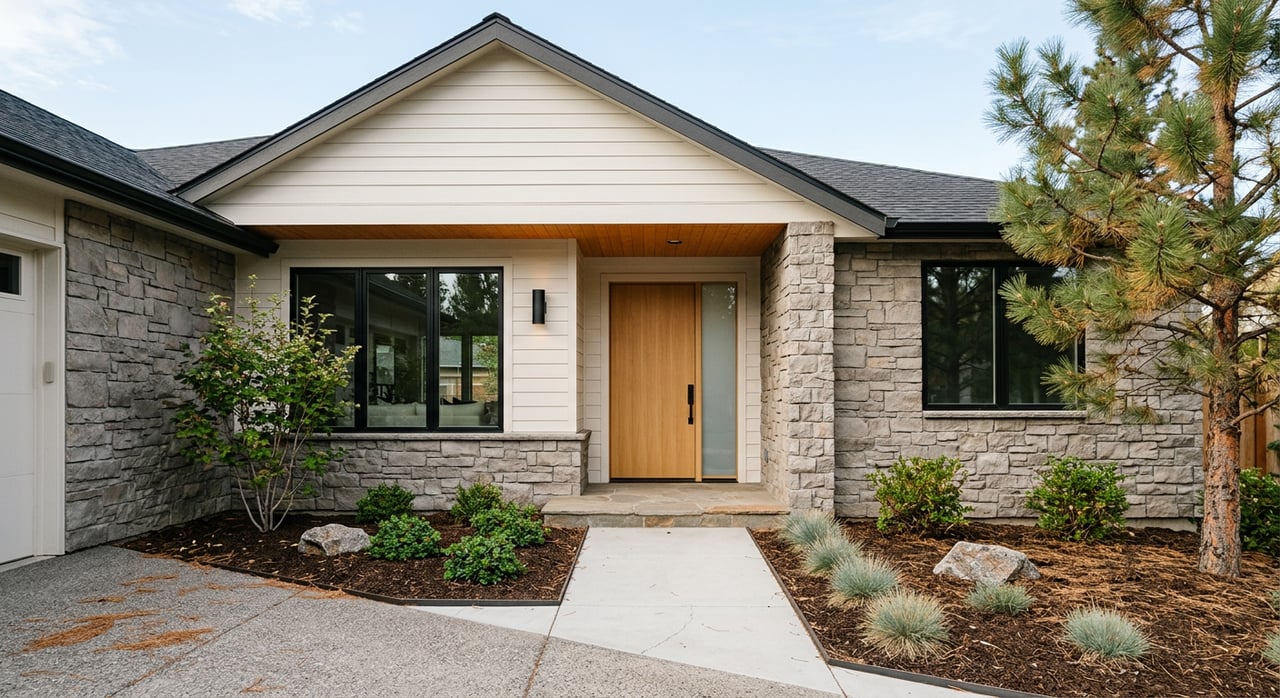
Front-of-house improvements have a big impact on first impressions. Focus on the entry, paint touch-ups, clean walkways, and simple, intentional landscaping. The City of Boulder promotes water-wise design, so choose plants and layouts that are attractive and low maintenance. Review the city’s xeriscaping guidance and local rules in the Landscaping resources.
If your property is in the foothills or near canyons, wildfire mitigation matters. Create defensible space, remove high-hazard vegetation near structures, and document the work. Boulder County offers guidance and programs that can help. Start with the county’s wildfire mitigation resources.
Proximity to trails and open space is a major local amenity. Highlight nearby trailheads and protected open space in your copy and photos, and reference access points with a map callout. For context on Boulder’s trail network, see the city’s Open Space and Mountain Parks overview.
What to gather before you list
Create a simple digital folder your agent can share with buyers. Include:
- Completed disclosures and your pre-listing inspection summary
- Permits and final approvals for any work you completed
- SmartRegs or rental license status if applicable
- Utility averages for the past 12 months
- HOA documents and contact info
- Manuals, warranties, and a list of recent upgrades and dates
- Energy rebate confirmations and invoices
Work with a local strategy partner
In Boulder, presentation and precision matter. The right plan blends smart timing, focused repairs, energy-forward upgrades, and stage-ready styling that fits your home’s architecture. A strong listing strategy brings all of this together with professional visuals, clear storytelling, and targeted marketing.
If you’re considering a sale this year and want a step-by-step plan for your home, schedule a Free Consultation with Rachel Weinberg. You’ll get a tailored prep roadmap, trusted vendor connections, and a polished marketing strategy built for Boulder.
FAQs
When is the best month to list a home in Boulder?
- Spring often brings stronger buyer demand in Boulder. The right week depends on your price point and neighborhood, so review recent local activity with your agent before you set a date.
Do I really need permits for my pre-listing projects?
- Many exterior, structural, and electrical items require permits in Boulder, and historic districts have extra steps. Check the City of Boulder permits and inspections page before you start.
Should I get a pre-listing inspection as a seller?
- Yes, many sellers benefit from identifying issues early and reducing surprises during buyer inspections. Review the advantages in Spectora’s pre-listing inspection guide.
Are energy upgrades worth it before I sell?
- If you can pair insulation, air sealing, or heat pump installs with local rebates, you lower your out-of-pocket costs and give buyers a compelling efficiency story. Explore current programs on the city’s energy rebates and resources page.
I’m selling a rental in Boulder. What about SmartRegs?
- Confirm your SmartRegs status and rental license details early to avoid delays. Start with the city’s page on SmartRegs improvements.
How can I showcase open space and trail access in my listing?
- Include photos and a simple map noting nearby trailheads and protected areas, and reference the city’s Open Space and Mountain Parks as a community amenity buyers value.