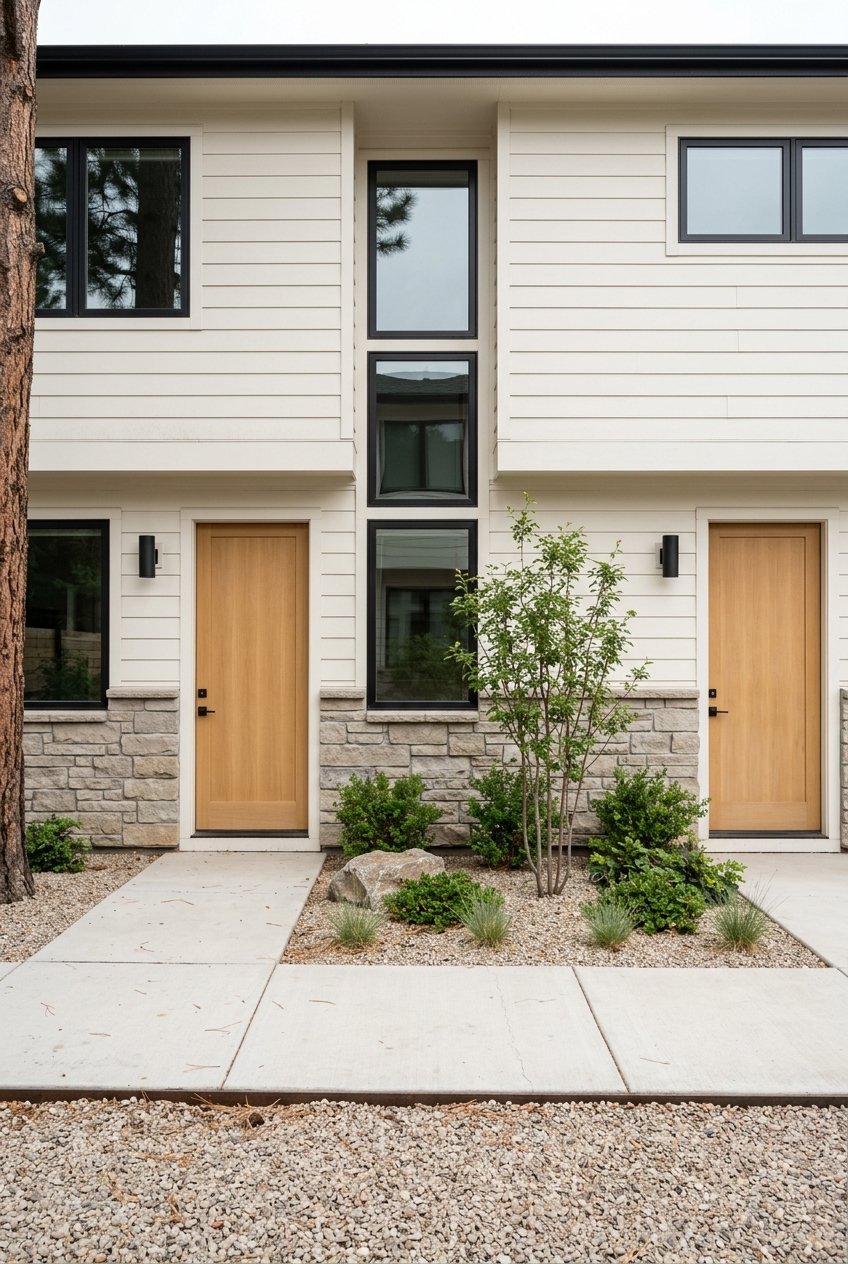
If you are thinking about buying rental property in Boulder, you are looking at a market with real demand and very little room for sloppy math. Boulder attracts students, researchers, professionals, and renters who want access to jobs, transit, trails, and city amenities, but high purchase prices and local rules can change the numbers fast. If you want to invest wisely, you need to understand both the opportunity and the friction before you buy. Let’s dive in.
Why Boulder Draws Rental Demand
Boulder is a relatively small city, with an estimated 2024 population of about 106,800, but it has a strong economic base and a distinct lifestyle appeal. The city points to more than 7,000 businesses, the University of Colorado Boulder, more than a dozen national research labs, extensive open space, and easy regional access as part of what makes the area so attractive. Those factors help support ongoing rental demand across different tenant groups.
The renter pool is also broad. Census Reporter data shows a median age of 29 in Boulder, and the city has a highly educated population. In practical terms, that can mean demand from students, early-career professionals, university staff, researchers, and households looking for a walkable, amenity-rich place to live.
Understand Boulder’s Cost Reality
Before you get too far into a search, it helps to understand just how expensive Boulder is. According to U.S. Census QuickFacts, the city’s median gross rent is $2,018, while the median monthly owner cost with a mortgage is $3,210. The median value of owner-occupied housing units is $1,039,500.
That gap matters. It means you cannot assume that strong rent levels will automatically create strong cash flow. In Boulder, purchase price, financing terms, property taxes, insurance, HOA dues, maintenance, reserves, and vacancy can quickly turn a deal from promising to painful.
Boulder Is Not One Rental Market
One of the biggest mistakes investors make is treating Boulder like a single, uniform market. It is not. The city’s planning framework notes that residential areas include a mix of detached homes, townhomes, apartments, and other housing types, and Boulder’s risk assessment references 99 neighborhoods, eight historic districts, and four business districts.
That means your property type and location should match your likely tenant. A condo near major activity centers may attract a different renter profile than a detached home in another part of the city. Proximity to campus, transit connections, employment centers, and shopping or service amenities can all shape leasing demand and turnover.
Match the Property Type to the Strategy
Boulder offers several property types that can work for investors, but each comes with a different operating profile. The city’s permitting framework reflects inventory that includes one-family homes, two-family units, townhomes, multifamily properties, and accessory dwelling units.
Here is the key takeaway: the best rental strategy is usually property-specific, not citywide. Instead of chasing a headline rent number, look at how a certain home, condo, townhome, or small multifamily property fits the tenant base in that area.
Single-family homes
Single-family homes can appeal to tenants who want more space, parking, storage, or a yard. They may also come with higher acquisition costs, which can put pressure on your returns.
Condos and townhomes
Condos and townhomes can offer a lower purchase price than detached homes, but they often come with HOA oversight. Boulder’s landlord-tenant handbook notes that HOA violations can trigger landlord fines, so you should review association rules carefully before closing.
ADUs
Accessory dwelling units are a common small-scale investment angle in Boulder. The city states that ADUs may be attached or detached, and if they are rented long-term, they require a rental license. The city also notes that short-term rental use of an ADU is generally prohibited unless both the ADU and the short-term rental license were legally established before February 1, 2019. You can review the city’s ADU rules on its Accessory Dwelling Units page.
What to Analyze Before You Buy
Strong demand does not remove the need for careful underwriting. In a high-cost market like Boulder, your numbers should be conservative from day one.
A good investment review should include:
- Purchase price and financing terms
- Realistic rent potential
- Property taxes and insurance
- HOA dues, if applicable
- Licensing and inspection costs
- Repair and maintenance reserves
- Vacancy and leasing costs
- Turnover and make-ready expense
Turnover deserves special attention. Census Reporter shows that 30.7% of Boulder residents moved within the previous year. While that does not directly measure lease turnover, it does suggest a mobile population, which can increase marketing, cleaning, repair, and re-leasing costs.
Demand Comes From More Than CU Boulder
Many investors focus on the university first, and that makes sense. CU Boulder reported total enrollment of 38,808 for the 2025–26 academic year, which is a major source of housing demand. You can see that figure in CU Boulder’s enrollment update.
But Boulder’s renter demand is not only about students. The city also describes its economy as being supported by advanced industries, lifestyle industries, and national research labs. That wider employment base can matter when you are choosing between a property geared toward student renters, professional tenants, or households seeking longer-term housing.
Boulder Rental Licensing Matters
Local compliance is one of the most important parts of rental investing in Boulder. The city requires a valid rental license for residential rental property used as a long-term rental. According to the city’s long-term rental licensing page, the license fee is $190, a rental inspection is required, and the property must meet SmartRegs requirements before the license can be approved.
Inspection costs are paid to private licensed inspectors, so those should be built into your acquisition and operating budget. Do not treat them like a minor afterthought. In Boulder, compliance costs are part of the deal.
Licenses do not transfer
This is a big transaction detail. The city states that rental licenses do not transfer to a new owner when a property changes hands, even though SmartRegs compliance does transfer. You can confirm that on the city’s SmartRegs compliance steps page.
That means if you buy a property that is currently rented, you should not assume you can keep operating under the seller’s license. You need to plan for the new licensing process before closing and before using the property as a rental.
Short-Term Rentals Are Highly Limited
If your plan involves Airbnb or similar short-term rental use, Boulder has strict rules. The city defines short-term rentals as stays of 29 days or less, and they must be in the owner’s principal residence. A new short-term rental application requires a $190 rental license fee and a $25 business license fee, along with annual principal residence certification and applicable tax filings.
You can review the details on the city’s short-term rental licensing page. For most investors, that means traditional long-term rental strategy is the more realistic path.
Occupancy Rules Have Changed
Occupancy is another area where investors should stay current. Boulder’s landlord-tenant handbook explains that occupancy cannot be restricted based on the number of unrelated people living together. The city updated its code to align with Colorado’s 2024 law on residential occupancy limits.
That said, life-safety standards still apply. Room count, square footage, and code-based health and safety rules still matter, so you should evaluate a property based on how it can be legally occupied under those standards.
Development and Value-Add Projects Need Extra Review
If you are considering a larger project, such as a redevelopment, infill build, or multi-unit expansion, Boulder’s inclusionary housing requirements can materially affect feasibility. The city states that developments with five or more units must contribute 25% of units as affordable housing, while developments with four or fewer units must contribute 20%.
You can review those requirements on the city’s inclusionary housing summary. For value-add investors, these rules are worth reviewing early, not after you are already committed.
Boulder Does Not Have Local Rent Control
Colorado law prohibits counties and municipalities from enacting rent control on private residential property or housing units. You can see that in the Colorado Revised Statutes, Title 38.
For Boulder investors, that shifts the focus. Instead of local rent caps, the bigger issues are acquisition price, compliance, turnover, condition, HOA restrictions, and whether the property still makes sense after all operating costs are included.
A Smart Boulder Investment Checklist
Before you write an offer, it helps to slow down and pressure-test the deal.
Use this checklist as a starting point:
- Verify the property’s current rental status and licensing history
- Confirm whether SmartRegs compliance is already in place
- Review zoning, use, and occupancy considerations
- Read HOA documents carefully for lease restrictions and penalties
- Estimate realistic rent, vacancy, and turnover costs
- Budget for inspections, repairs, and reserves
- Evaluate whether long-term rental use fits better than short-term rental use
- Review any value-add or redevelopment plans against inclusionary housing rules
- Consult a lender, CPA, and real estate attorney before closing
In a market like Boulder, small details can have expensive consequences. The best investment properties are not just attractive on paper. They are the ones that still work after financing, licensing, repairs, and local rules are factored in.
The Bottom Line for Boulder Investors
Boulder can be an appealing rental market because demand is supported by the university, a strong employment base, limited housing supply, and a lifestyle that continues to draw renters. At the same time, high acquisition costs and detailed local compliance rules mean you need to buy with discipline.
If you are considering investing in Boulder rental property, a careful, local approach matters. Working with someone who understands neighborhood differences, property types, and Boulder-specific transaction issues can help you avoid costly assumptions and focus on opportunities that truly fit your goals. If you are ready to talk through your options, connect with Rachel Weinberg to schedule a consultation.
FAQs
What makes Boulder rental property investing different from other markets?
- Boulder combines strong rental demand with high home prices, rental licensing requirements, inspection rules, and limited short-term rental flexibility, so careful underwriting is especially important.
Can you keep renting a Boulder property after buying it from another owner?
- Not automatically. The city says rental licenses do not transfer to a new owner, so a new license must be issued before the property can be used as a rental.
Can you use a Boulder investment property as a short-term rental?
- Usually only if the property is the owner’s principal residence and it meets Boulder’s short-term rental licensing requirements.
What should you review before buying a Boulder condo or townhome as a rental?
- You should review HOA rules, lease restrictions, dues, and potential fines, because association rules can affect how you operate the property.
Are Boulder occupancy rules still based on unrelated roommates?
- No. Boulder now relies on health-and-safety occupancy standards rather than limiting occupants based on whether they are related.
Is Boulder a good place to buy a cash-flow rental property?
- It can be, but Boulder is a high-cost market where rents may not cover ownership costs unless the property is bought and analyzed very carefully.